

My Mistakes and Lessons Before Delivering Wedding Bouquets
Posted In
June 1, 2026
Posted On
These are some mistakes I have made, lessons I learned, and things I always make sure to check before delivering wedding bouquets to brides.
1. A Lack of Communication
This happened during my first year as a wedding florist in a new area. I was still learning which flowers were seasonal locally and which flowers worked best for wedding bouquets.
During our consultation, the bride asked for a large white calla lily bouquet for her late September wedding. At the time, I had seen beautiful large calla lilies at the flower market, and I was sure they were available year-round.
But they were out of season by late September, so I ordered them through local wholesalers.
The calla lilies I purchased didn’t have the beautiful open blooms like the ones I had seen two months earlier, and many had brown scratches from shipping damage. Even though I repurchased them again and again within the time limit, I still couldn’t find enough fully opened, beautiful calla lilies with good quality.
I lost money trying to source prettier ones, but there was no hope. In the end, I made the bouquet using the best flowers I could find with the fewest brown edges.
The bride was still very disappointed with the quality and even told me she might rather carry her bridesmaid’s bouquet instead, which was made with white dahlias I just harvested from a local dahlia farm.
I felt very sad and ashamed after that experience.
Looking back, I realized the biggest problem wasn’t really the flowers themselves. It was the lack of communication.
I should have recommended seasonal flowers and shown her how beautiful they could be instead.
I also should have honestly explained the struggles I was having with sourcing high-quality calla lilies and discussed other options together before the wedding day.
2. Don’t Share Bouquet Photos Before the Wedding Day
This was actually my florist friend’s experience. One time, a bride asked her to send a photo of the bouquet after it was finished. So she did… and it became very complicated.
The bride kept asking her to adjust little things here and there, and the conversation went on for a very long time late at night.
The reality is that bouquet photos taken quickly on a phone at night often don’t look as beautiful as they actually are. Lighting, angles, shadows, and camera quality can completely change how flowers look.
Personally, I strongly don’t recommend sending bouquet photos to brides before the wedding day. We are already so busy finishing wedding flowers, and you don’t want to create another stressful situation during that time. If they ask for photos, I recommend gently refusing.
However, I do recommend taking photos and videos for yourself before delivering the bouquets.
It’s one of the best ways to improve your work, build your portfolio, and learn what you’d like to do differently next time!
3. Confirm the Bouquet Size
I’ve heard my florist friends say that after delivering bouquets, brides reacted with:
“Wow… this is big…”
Bouquet size expectations can easily be different between florists and brides.
A large bouquet might feel luxurious to one bride, while another bride may feel it’s too large or overwhelming.
What I did was simply gather flowers in my hands and physically show the approximate bouquet size during the final meeting, instead of making a full mock-up bouquet.
4. Support the Stems Near the Edge of the Bouquet
This happened to me, and I’ve also heard similar stories from my florist friends.
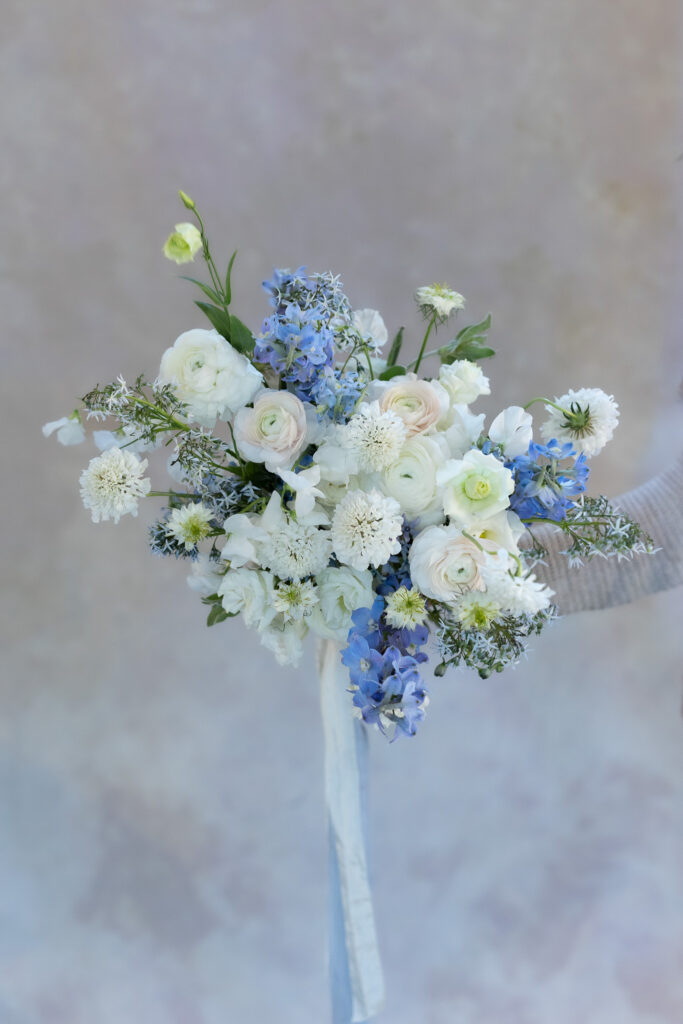
When you place large, heavy blooms like peonies or garden roses with curved or thinner stems near the very edge of the bouquet, I highly recommend adding wire or some type of support to the stems.
One time, I noticed a broken peony stem hanging down from the edge of the bouquet in the professional wedding photos, and I regretted not adding extra support.
One of my florist friends experienced a similar situation when the bride started walking down the aisle.
I also try to remind brides not to shake the bouquet too much before the ceremony and photoshoot, especially because I’ve seen brides excitedly shaking their bouquets while taking photos or greeting people.
5. Confirm the Delivery Time and Location Again During Wedding Week
After receiving all of the flowers from wholesalers and flower markets for a wedding, I always emailed the bride a few days before the wedding.
Usually I would say something like:
“All the flowers came in and they are beautiful!” or “One flower came in poor quality, but I found a beautiful alternative flower and it will still look very pretty.”
Every bride responded to these emails right away, so I also used the opportunity to reconfirm the delivery day, time, location, and whether there had been any changes.
6. Don’t Leave Bouquets Near Windows or Heat
One time, I left bouquets near a window because the bride asked me to leave them there, and at the time the area was shaded and cool.
But when I came back a couple of hours later with centerpieces and other items, strong sunlight was coming directly through the window and hitting the bouquets, and the flowers had started looking stressed from the heat.
Now I always make sure bouquets are placed somewhere safe from direct sunlight, heat, and busy traffic areas.
7. Teach Brides How to Carry the Bouquet
Teaching brides how to carry the bouquet correctly during the meeting is a good idea.
You may also want to explain which side is the front and which side is the back, especially if your bouquet has a flatter back side with fewer flowers.
I’ve heard stories of florists receiving professional wedding photos later and realizing the bride was carrying the bouquet with the back side facing forward, making the photos difficult to use for their portfolio.
Brides are often busy and focused on posing naturally in front of the camera, so if your bouquet has a specific front side, it’s helpful to mention it again when you deliver the bouquet.
And if you can’t see them directly, you can also leave a small memo with the bouquet saying congratulations and thank you.
And as a backup, as I mentioned earlier, taking photos of the bouquet at your studio or shop before delivery is always helpful.
8. “Leftover Flowers” Aren’t Really Left Over
Sometimes brides ask florists to decorate extra areas or make one more bouquet or centerpiece using the “leftover flowers” at the last minute.
Yes, we often have flowers we didn’t use in the final designs. But those flowers were still purchased for the wedding.
We need extra flowers for many reasons:
- Some stems arrive damaged from wholesalers
- Some flowers don’t open properly
- Extra stems allow us to choose the best-quality blooms, especially for bouquets
- We also need backup flowers in case something unexpected happens
Those flowers are part of the wedding flower cost. So if a bride asks you to create additional arrangements using “leftover flowers,” I believe it’s completely okay to charge for the extra work and materials, unless you personally want to offer it as a gift.
These mistakes and experiences became important lessons for me as a florist. If you have your own bouquet stories or lessons you’ve learned along the way, I’d love to hear them too! 😊
Pin
Leave a Reply
Previous Story
next Story



I'm so glad you're here. Let's elevate your bouquet-making skill together!
